

Percentage Calculator
Philip Stephens Verified
Specifications
Table of contents
About this app
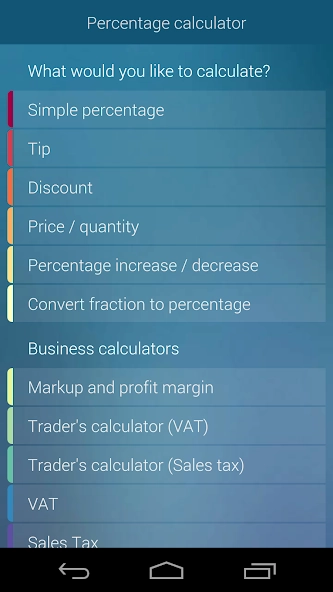
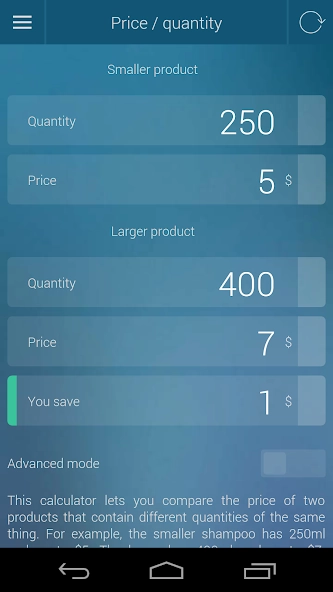
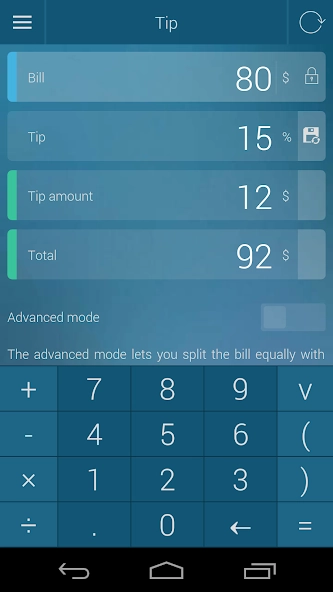
We use percentages in our daily lives in many ways. For example, when we go shopping, we check discounts to see how much money we can save. Students use percentages to check their exam results, and business owners use them to calculate profit and loss. Sometimes, calculating percentages by hand can be confusing. A percentage calculator makes this job easier and helps you get the answer in a few seconds.
An online percentage calculator is useful for students, teachers, shopkeepers, and anyone who works with numbers. You can use it to calculate discounts, find a percentage of a number, or check how much a price has increased or decreased. You do not need to remember any difficult formulas. Just enter the numbers, and the calculator will do the work for you. In this guide, you will learn how to calculate percentages with easy examples.

What Is a Percentage Calculator?
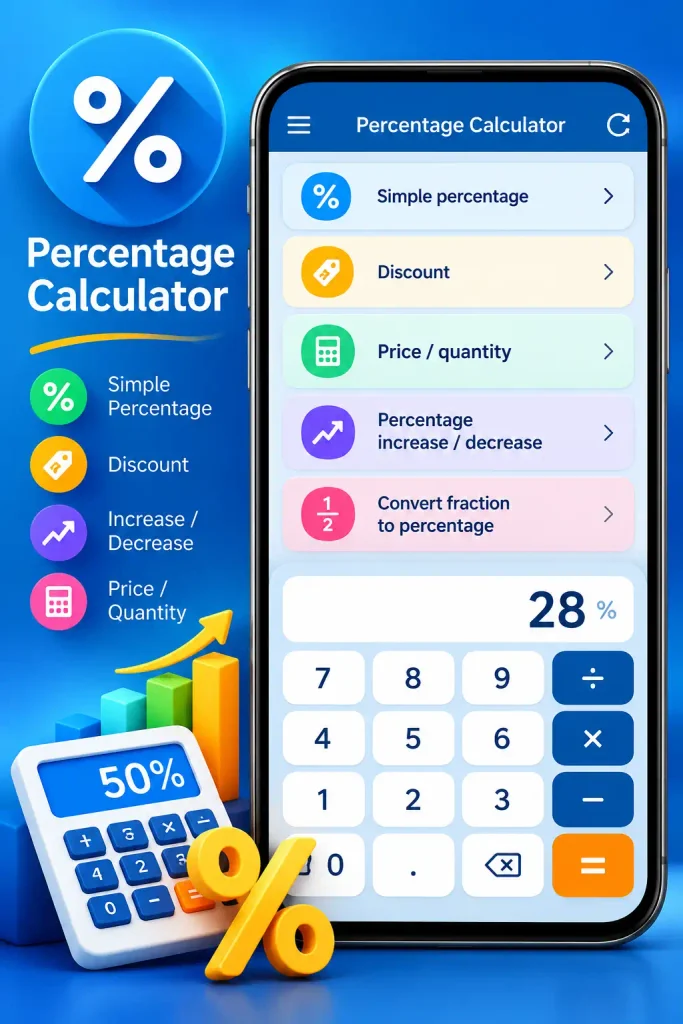
A percentage calculator is a simple online tool that helps you calculate percentages quickly and easily. We use percentages in our daily lives, such as when shopping, checking exam results, or running a business. The percentage symbol is “%”, and it means a number out of 100. For example, if you get good marks in an exam, percentages help you understand how well you have performed. Instead of doing the maths by hand, you can use an online percentage calculator to get your answer in seconds.
This calculator is useful for students, teachers, shopkeepers, and anyone who works with numbers. You can use it to check shopping discounts, calculate exam results, work out profits, or see how prices change. It is easy to use and does not require any special maths skills. Just enter the required details, and the calculator will do the work for you. It saves time and makes everyday calculations much easier.
How Does a Percentage Calculator Work?
A percentage calculator helps you find percentages without doing all the maths yourself. You enter the numbers, and the calculator gives you the result. You can use it to find a percentage of any value, check how much one number is out of another, or calculate a percentage increase or decrease. It is useful for everyday tasks like checking discounts, calculating exam marks, and comparing prices.
The basic formula for calculating a percentage is Percentage = (Part ÷ Whole) × 100. For example, if you want to check your exam percentage, divide the marks you received by the total marks and multiply the answer by 100. The calculator follows the same method and does the calculation for you. This makes it easier to get your result without spending time on manual calculations.
How to Calculate Percentages?
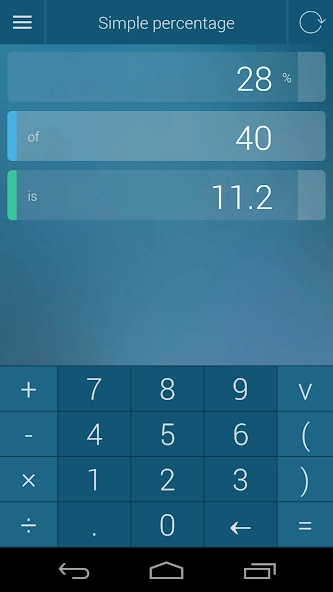
Calculating percentages is easy when you know the basic formula. You can use percentages to check shopping discounts, calculate exam marks, or work out your monthly expenses. To find a percentage of a number, divide the percentage by 100 and multiply the answer by the number.
Formula: Percentage of a Number = (Percentage ÷ 100) × Number
For example, if you want to find 30% of Rs. 2,000, divide 30 by 100 and multiply the answer by Rs. 2,000. The result is Rs. 600. This means 30% of Rs. 2,000 is Rs. 600. You can use the same method for other percentage calculations or enter the numbers into an online percentage calculator to get your answer quickly.
Calculate What Percent One Number Is of Another
Sometimes, you know two numbers but want to find out what percentage one number is of the total. This is useful for checking exam results, comparing sales, and seeing how much of a target has been achieved.
Formula: Percentage = (Part ÷ Total) × 100
For example, if a student gets 420 marks out of 500, divide 420 by 500 and multiply the answer by 100. The result is 84%, which means the student scored 84% in the examination. You can also use this method in business. If a shop sells 150 products out of 200, it has sold 75% of its stock. A percentage calculator helps you work out these results quickly and easily.APKSBRAIN
Calculate Percentage Increase
A percentage increase shows how much a value has gone up compared with its original amount. It is useful for checking salary increases, price changes, business growth, and increases in monthly expenses.
Formula: Percentage Increase = [(New Value − Original Value) ÷ Original Value] × 100
For example, suppose your monthly salary increases from Rs. 50,000 to Rs. 60,000. First, subtract the original salary from the new salary. The difference is Rs. 10,000. Then divide Rs. 10,000 by Rs. 50,000 and multiply the answer by 100. The result is 20%, which means your salary has increased by 20%. You can use an online percentage calculator to check salary increases, price changes, and other increases without doing the calculations by hand.
Calculate Percentage Decrease
A percentage decrease shows how much a value has gone down from its original amount. You can use it to check shopping discounts, reduced prices, lower expenses, or falling sales. It helps you understand how much a price or value has decreased.
Formula: Percentage Decrease = [(Original Value − New Value) ÷ Original Value] × 100
For example, suppose a jacket originally costs Rs. 4,000 but is now available for Rs. 3,000. The difference between the two prices is Rs. 1,000. Divide Rs. 1,000 by Rs. 4,000 and multiply the answer by 100. The result is 25%, meaning the jacket’s price has decreased by 25%. You save Rs. 1,000 when you buy it at the reduced price. A percentage calculator makes it easy to check discounts and compare prices in just a few seconds.
Calculate the Original Value Before a Percentage Change
Sometimes, you know the final value after a percentage increase or decrease, but you need to find the original amount.
This calculation is useful when checking discounted prices, reversing a salary increase, or finding the price of a product before a discount was applied.
Finding the Original Value Before a Percentage Increase
If a value increases by a certain percentage, use this formula to find the original amount:
Original Value = Final Value ÷ (1 + Percentage Increase ÷ 100)
For example, suppose a product costs Rs. 1,200 after its price has increased by 20%. What was its original price?
Original Value = 1,200 ÷ (1 + 20 ÷ 100)
Original Value = 1,200 ÷ 1.20
Original Value = Rs. 1,000
Therefore, the original price was Rs. 1,000.
Finding the Original Value Before a Percentage Decrease
If a value decreases by a certain percentage, use this formula:
Original Value = Final Value ÷ (1 − Percentage Decrease ÷ 100)
For example, suppose a product costs Rs. 800 after a 20% discount. What was its original price?
Original Value = 800 ÷ (1 − 20 ÷ 100)
Original Value = 800 ÷ 0.80
Original Value = Rs. 1,000
Therefore, the original price was Rs. 1,000, and the discount reduced it to Rs. 800.
Real-Life Applications of Percentage Calculations
Percentages are useful in many areas of daily life. Understanding how to calculate them can help you make better decisions, manage money, and compare different values.
Here are some common situations where percentage calculations are helpful.
Shopping and Discounts
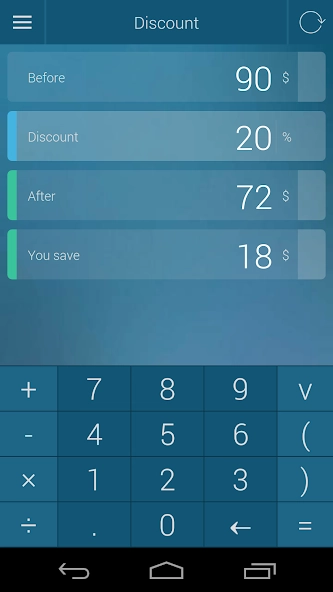
Retailers often offer discounts during seasonal sales or special promotions. Percentages help you calculate the amount you save and the final price you need to pay.
For example, if a product costs Rs. 5,000 and has a 10% discount, you save Rs. 500 and pay Rs. 4,500.
Education and Examination Results
Students use percentages to understand their academic performance. Teachers and schools also use them to calculate examination results.
For example, a student who scores 360 out of 400 marks has achieved 90%.
Business and Profit Calculations
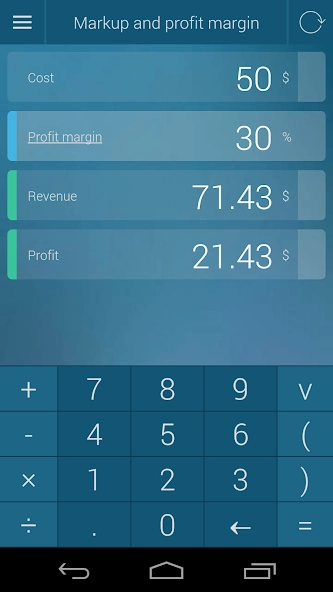
Business owners use percentages to analyse revenue, costs, profit margins, and sales performance.
For example, if a business earns Rs. 20,000 in profit on sales of Rs. 100,000, its profit margin is 20%, assuming the profit and sales figures refer to the same period.
Personal Finance and Savings
Percentages can help you understand savings rates, changes in expenses, interest rates, and budget allocations.
For example, if you earn Rs. 100,000 per month and save Rs. 20,000, you save 20% of your monthly income.
Salary Increases
Employees can use percentage calculations to understand changes in their salaries.
For example, if your salary increases from Rs. 80,000 to Rs. 88,000, your salary has increased by 10%.
Population and Statistics
Percentages are commonly used to present statistics, compare survey results, and explain changes in population or other measurements.
For example, a survey may show that 60% of respondents prefer one product over another.
Why Use an Online Percentage Calculator?
- Saves time: Get results quickly without performing lengthy calculations.
- Easy to use: Enter the required values and calculate the answer.
- Reduces calculation errors: Helps avoid common arithmetic mistakes.
- Useful for different needs: Calculate discounts, increases, decreases, and percentages of numbers.
- Accessible to everyone: Students, professionals, business owners, and everyday users can benefit from it.
FAQs
What is a percentage calculator used for?
A percentage calculator helps you calculate a percentage of a number, determine what percentage one value represents of another, and find percentage increases or decreases. It is useful for shopping, education, business, and personal finance.
How do I calculate a percentage manually?
Divide the part by the total and multiply the result by 100.
Formula: Percentage = (Part ÷ Total) × 100.
For example, 25 out of 50 is (25 ÷ 50) × 100 = 50%.
How do I calculate 20% of a number?
Divide 20 by 100 and multiply the result by the number.
For example, 20% of 500 is:
(20 ÷ 100) × 500 = 100.
How do I calculate a percentage increase?
Subtract the original value from the new value, divide the difference by the original value, and multiply by 100.
Formula: Percentage Increase = [(New Value − Original Value) ÷ Original Value] × 100.
How do I calculate a percentage decrease?
Subtract the new value from the original value, divide the difference by the original value, and multiply by 100.
Formula: Percentage Decrease = [(Original Value − New Value) ÷ Original Value] × 100.
Conclusion
Calculating percentages is useful in our daily lives. We use them when shopping, checking discounts, calculating exam marks, managing money, and running a business. Once you understand the basic formulas, working with percentages becomes much easier. You do not need to be an expert in maths to calculate percentages or understand how they work. With a little practice, you can use them in many everyday situations.
Our online percentage calculator makes these calculations quick and easy. You can use it to find a percentage of a number, calculate discounts, or check percentage increases and decreases. Simply enter the required numbers, and the calculator will give you the result in seconds. Whether you are a student, teacher, shopkeeper, or business owner, this tool can save time and make your daily calculations easier.